
Row house for sale in Chhatrapati Sambhajinagar
A row house sits between a flat and a bungalow: your own entrance and terrace, shared side walls, and a society that still handles the common roads, water and security. Here is what the type involves and what to check before you commit.
2 listings available now
Search and filter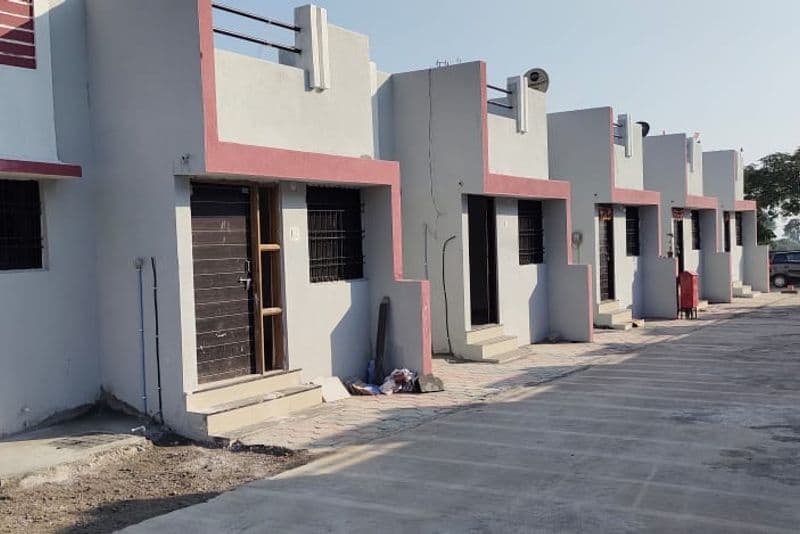 For sale
1 BHK Row House at Akshad Super City, Shendra
 For sale
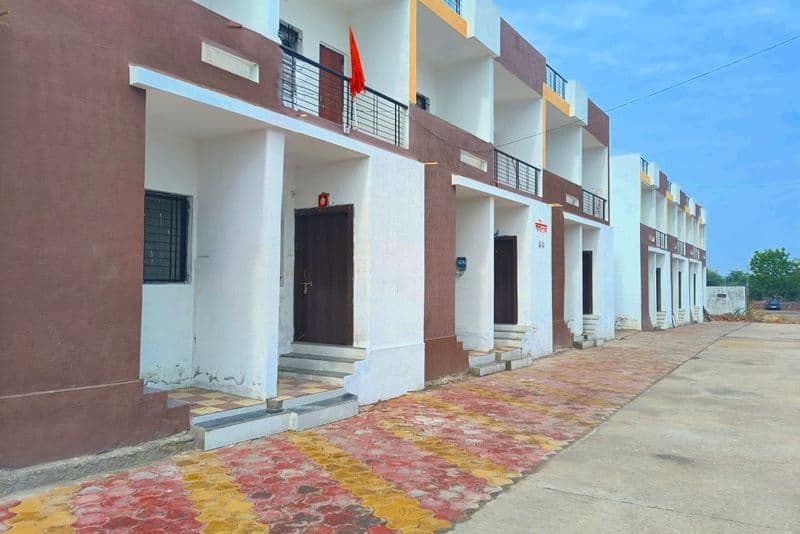
2 BHK Row House at Ramhari Nagar, Shendra
What a Row House Is, and Who It Suits
A row house is a small independent house built in a line with others, sharing side walls with its neighbours. You get your own front door, your own terrace and usually a narrow setback at the front or rear, without the plot size and upkeep of a bungalow. It suits families who want ground-level living, parking at the door and room to extend later, but still want a society handling common roads, water supply and security.
Check the Sanctioned Plan, Terrace and Setback
Many row houses in Chhatrapati Sambhajinagar (formerly Aurangabad) have a covered setback, a closed balcony or a room added on the terrace. Ask for the sanctioned plan and compare it with what is built; anything extra needs to be regularised or you inherit the problem. Also confirm in writing whether the terrace and the front setback are your exclusive property or society common area, and read the bye-laws on future extensions.
Title, Registration and Stamp Duty
A row house carries land, so run the same checks as on a plot: the 7/12 extract or property card, mutation entries and a title search by an advocate. If the land was agricultural, confirm the NA conversion order. Verify MahaRERA registration for a qualifying project on maharera.maharashtra.gov.in. Stamp duty inside the municipal limits is 5% plus 1% LBT for men and 4% plus 1% LBT for women on residential property, charged on the agreement value or the ready reckoner value, whichever is higher. Rates change by government notification.
Frequently asked questions
What is the difference between a row house and a flat?
A flat is one unit inside a building, with the land and structure held in common. A row house is a single house on its own footprint, joined to its neighbours by shared side walls, with its own entrance and terrace. Where the layout has a society, it maintains the common roads, water and security in both cases.
Who owns the terrace of a row house, the owner or the society?
It depends on the sale deed and the society's bye-laws, not on who uses it. In some layouts the terrace is granted to the row house owner exclusively; in others it stays common property with the owner given use. Get the position stated in writing in the agreement before you register, because it decides whether you can build on it later.
Can I cover the setback of my row house or extend it?
Only if the sanctioned plan and the local authority allow it, and the society bye-laws permit it. A covered setback or an added floor without approval is unauthorised area, which can create problems when a bank values the property and again at resale. Compare the sanctioned plan with what is actually built before you buy, and ask the seller to regularise anything extra.